Protect water
Reduce the nitrogen and phosphorus available to contribute to eutrophication and harmful blooms.
Second Atmosphere is an infrastructure startup developing a platform at the intersection of water treatment, nutrient recovery, industrial biomass, civil construction, and regional economic development.
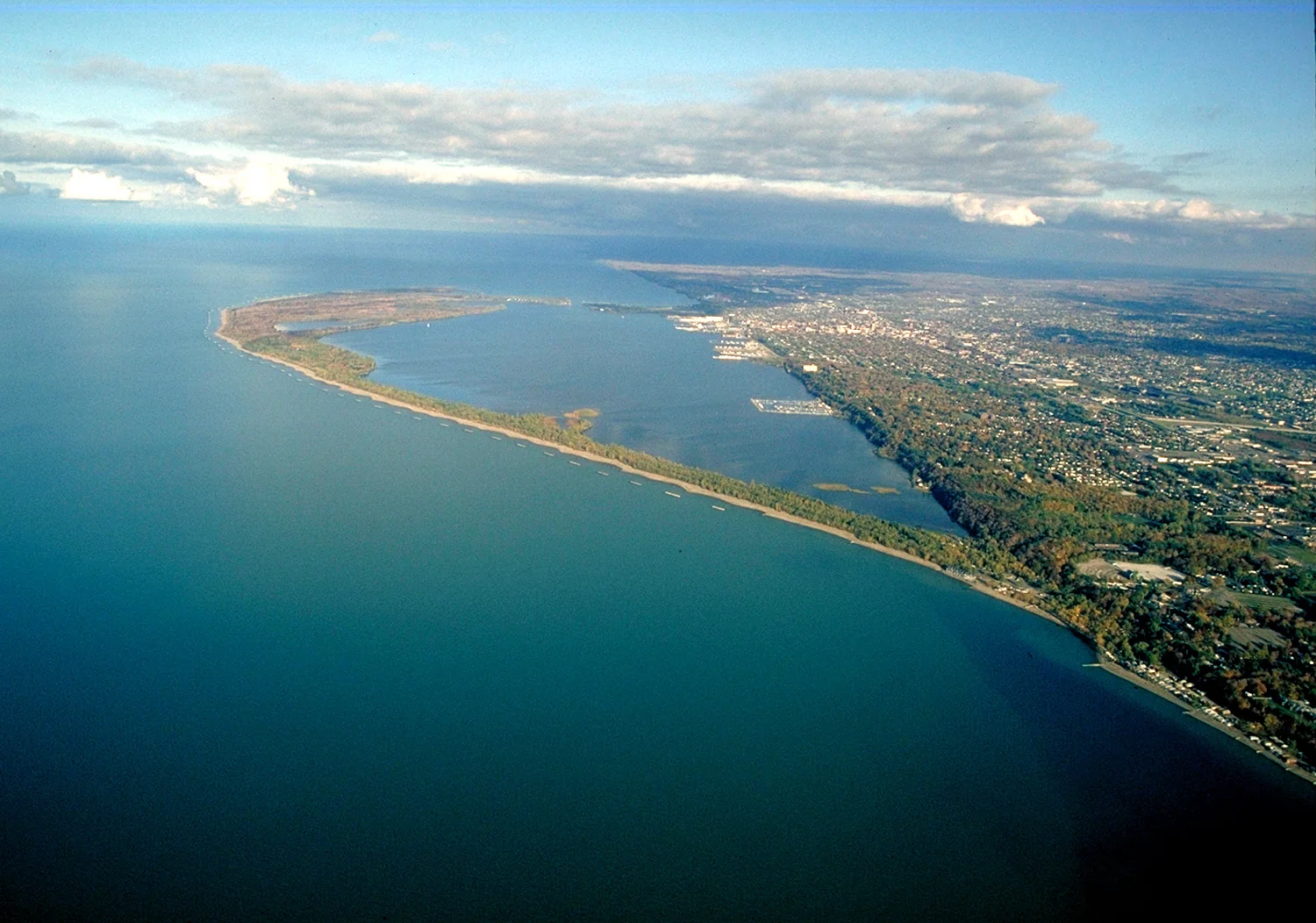
Nutrients predictably support algal growth. Too often, that growth occurs downstream in lakes, rivers, and coastal waters. Second Atmosphere exists to test whether Aeroponic Algal Culture (AAC) can move part of that growth into controlled, harvestable infrastructure.
Reduce the nitrogen and phosphorus available to contribute to eutrophication and harmful blooms.
Support the water-dependent businesses, communities, and public systems that bear bloom-related costs.
Capture nutrients in harvestable biomass and route that material according to source quality, testing, and regulation.
Create repeatable facilities, equipment, supply chains, jobs, operations, and commercial pathways.
Excess nutrients grow algae. Published work also shows that algae can assimilate wastewater nutrients and that attached growth can improve harvest access. Historical Second Atmosphere work showed how that foundation could move toward exposed surface-based treatment.
AAC brings the growth surface, water delivery, harvesting, materials, controls, and economics together as one biological-infrastructure platform.
Build the machinery, operate the treatment lanes, measure the nutrient balance, refine the harvest, and establish the repeatable facility model.
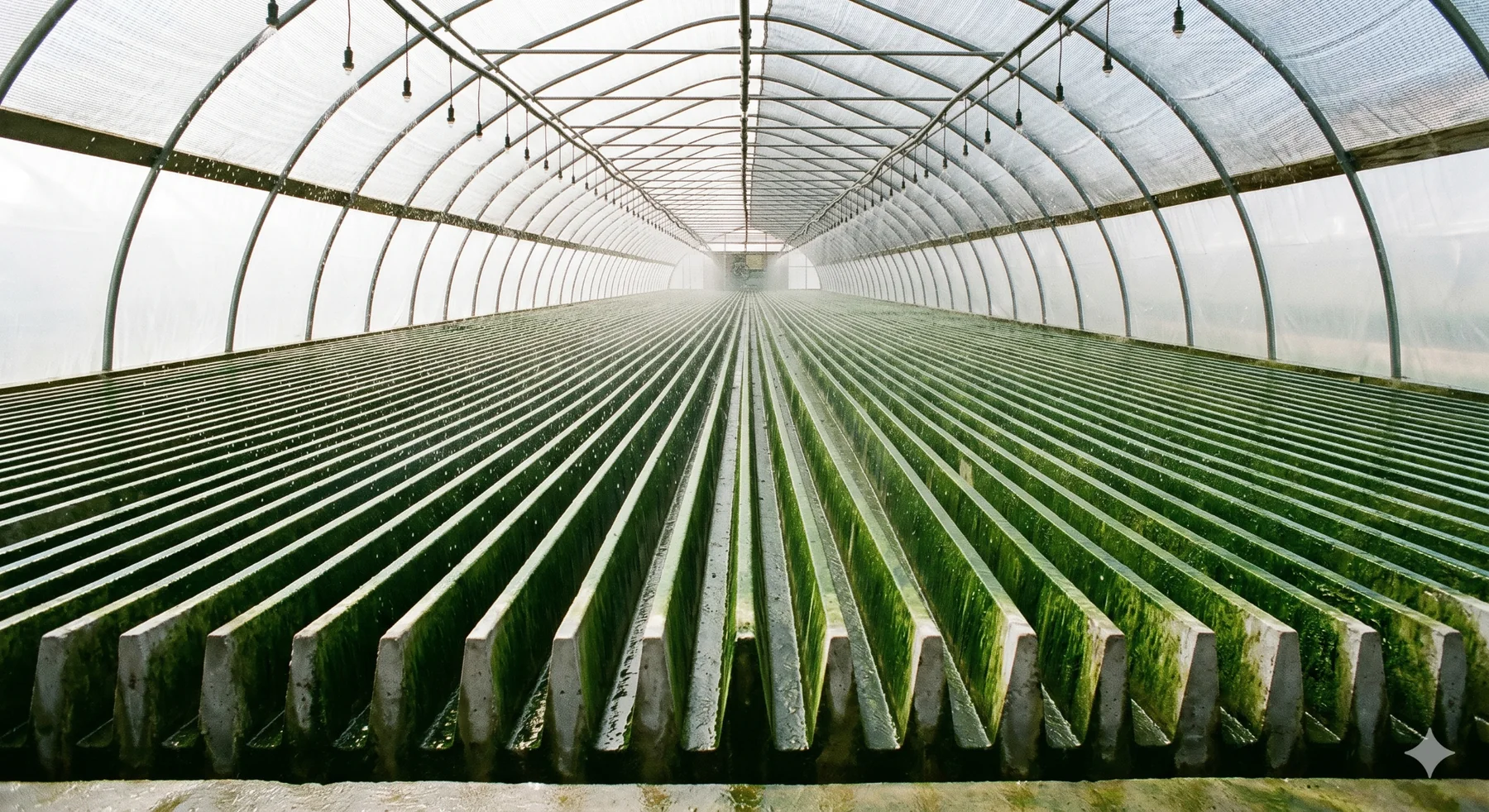
The category must unite public benefit with commercial discipline, algal performance with civil durability, and ambitious scale with evidence.
Use nutrient-driven algal growth as a controlled mechanism for capturing nitrogen and phosphorus.
Organize surface, moisture, access, harvesting, utilities, and operations in a permanent facility.
Preserve existing value, recover resources, create industrial demand, and build viable commercial pathways.
Second Atmosphere is assembling the scientific, engineering, construction, operating, commercial, and community capabilities required to move from pilot evidence to durable infrastructure.
Algae, microbial communities, wastewater ecology, inoculation, stability, and field performance.
Civil, structural, environmental, mechanical, electrical, controls, concrete, durability, and fabrication.
Site development, construction, commissioning, process control, maintenance, safety, and data systems.
Hosts, utilities, industrial customers, supply chains, biomass pathways, project finance, investors, and communities.