Drinking water
More complex monitoring and treatment, operational risk, and public concern.
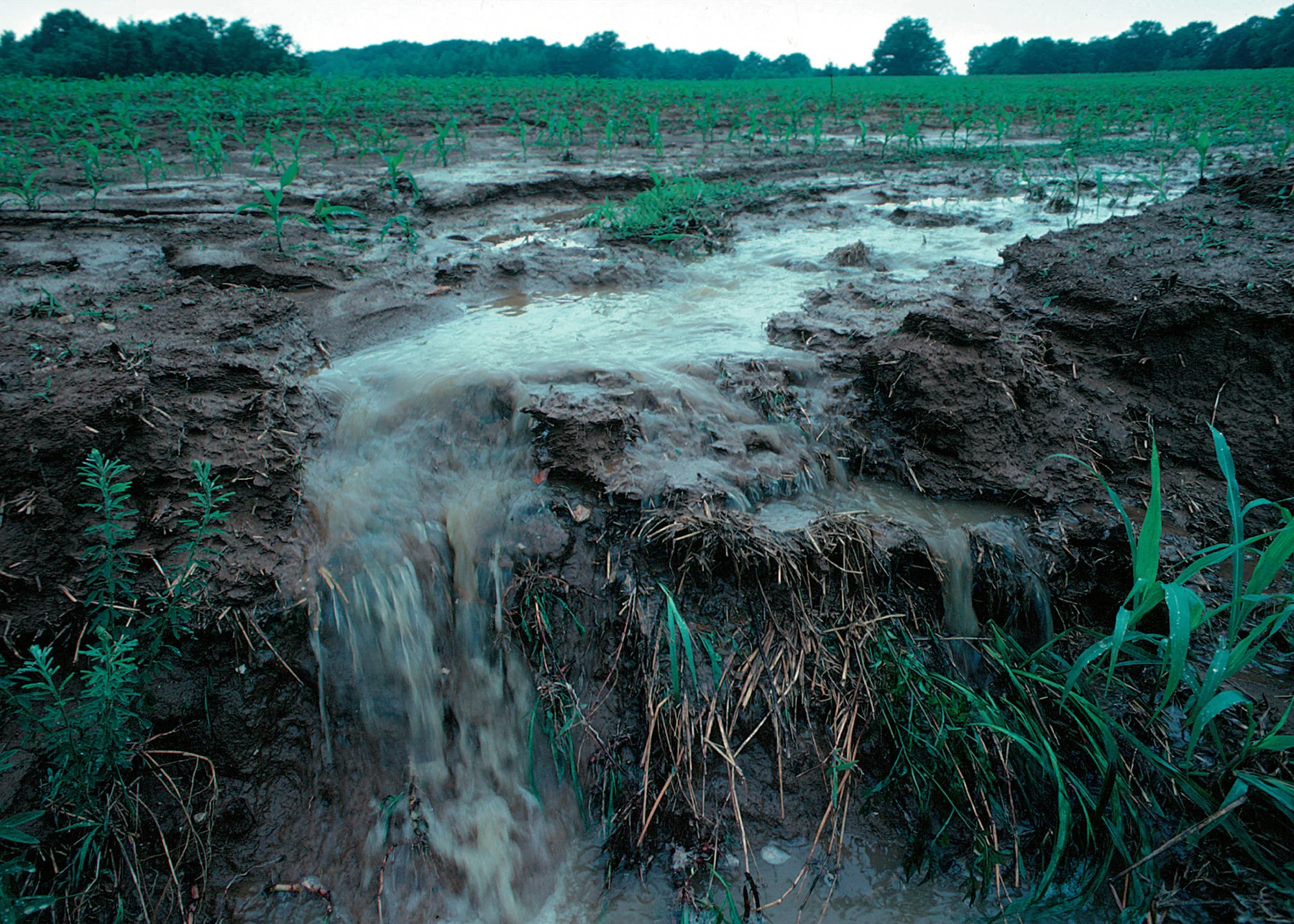
Nitrogen and phosphorus are indispensable to food and life. After they pass through people and industries into wastewater, their productive purpose is often lost—but they remain available to support growth.
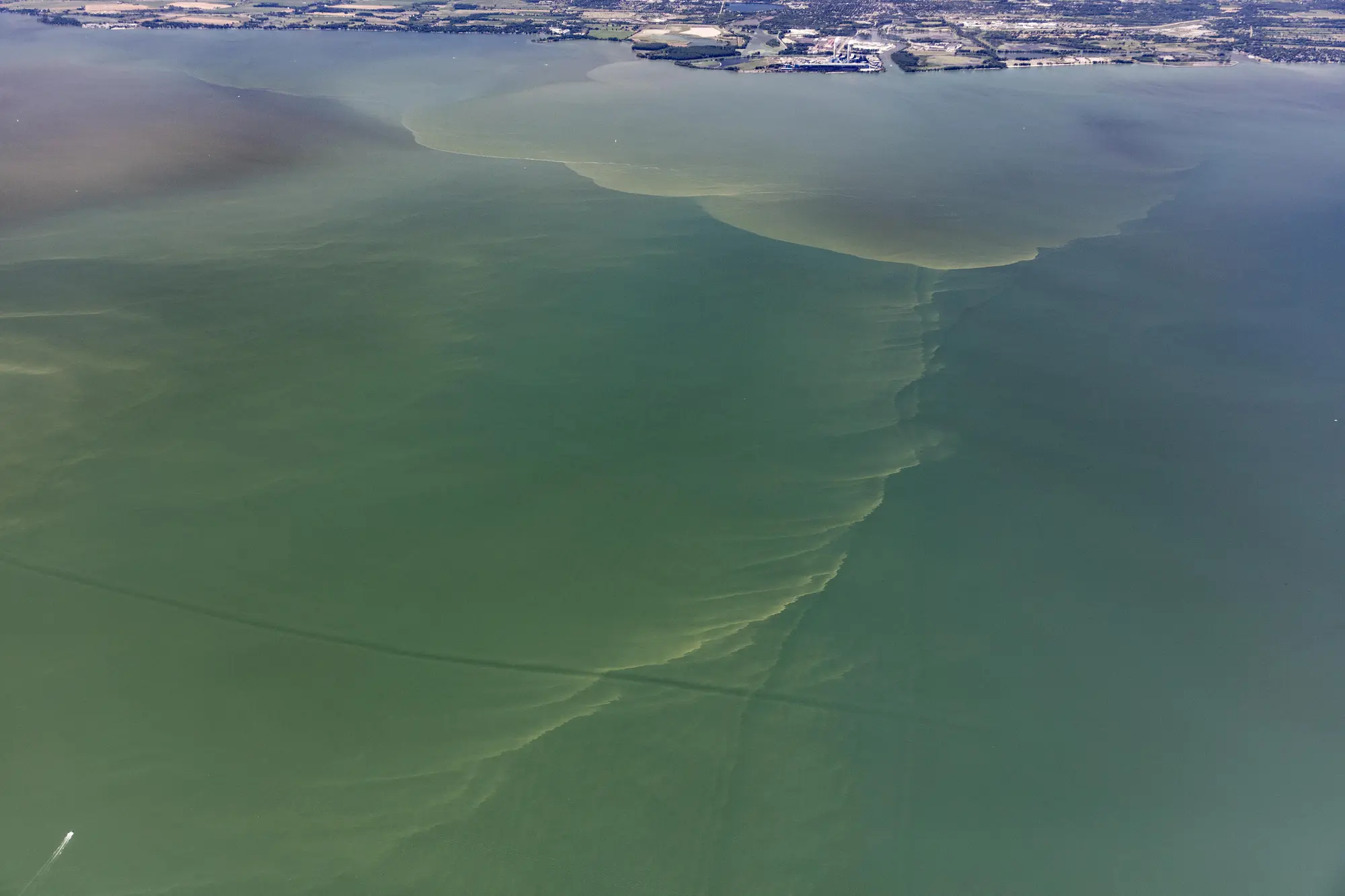
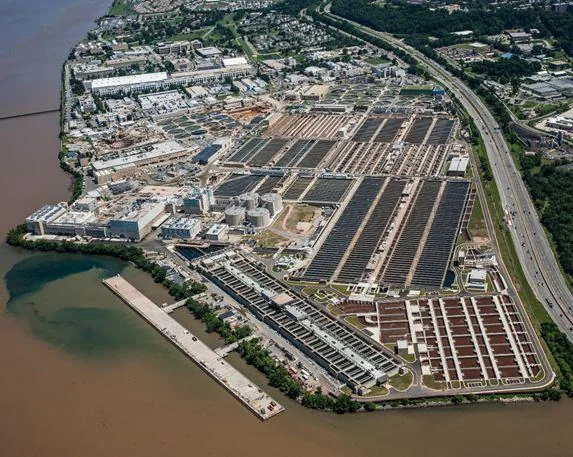
Existing wastewater infrastructure performs indispensable work. Much of it was designed to move, transform, remove, or discharge nutrients—not to cultivate and harvest an industrial biomass resource.
Nitrogen and phosphorus that remain in discharged water stay biologically available to algae and other organisms downstream.
If they remain in the final discharge, they continue downstream as available inputs for growth in places where it is uncontrolled and damaging.
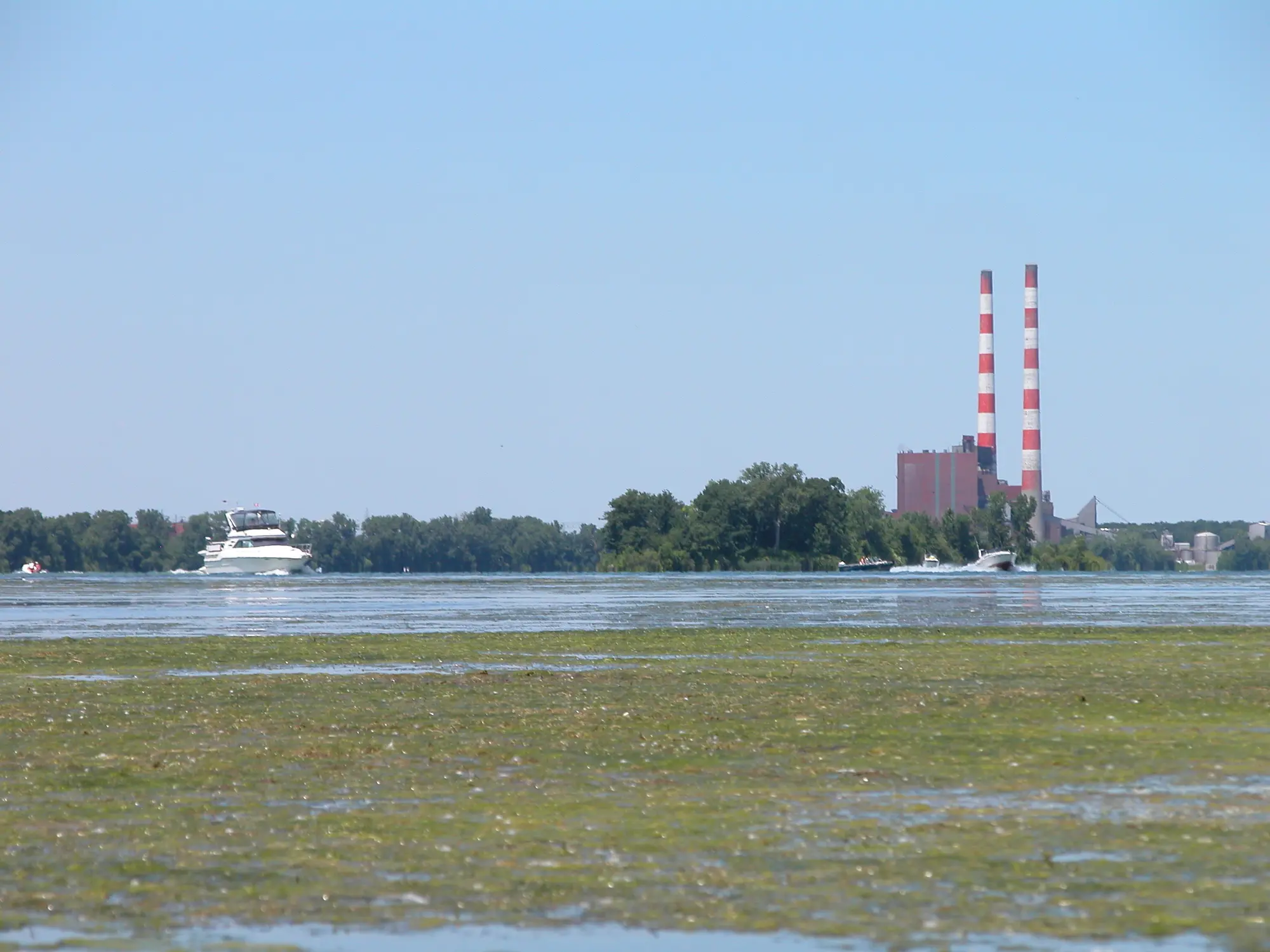
Algae are not the root problem. They are organisms responding to available nutrients.
Nutrients are a controllable input to bloom formation. Removing nitrogen and phosphorus before discharge reduces the mass available to contribute to eutrophication downstream.
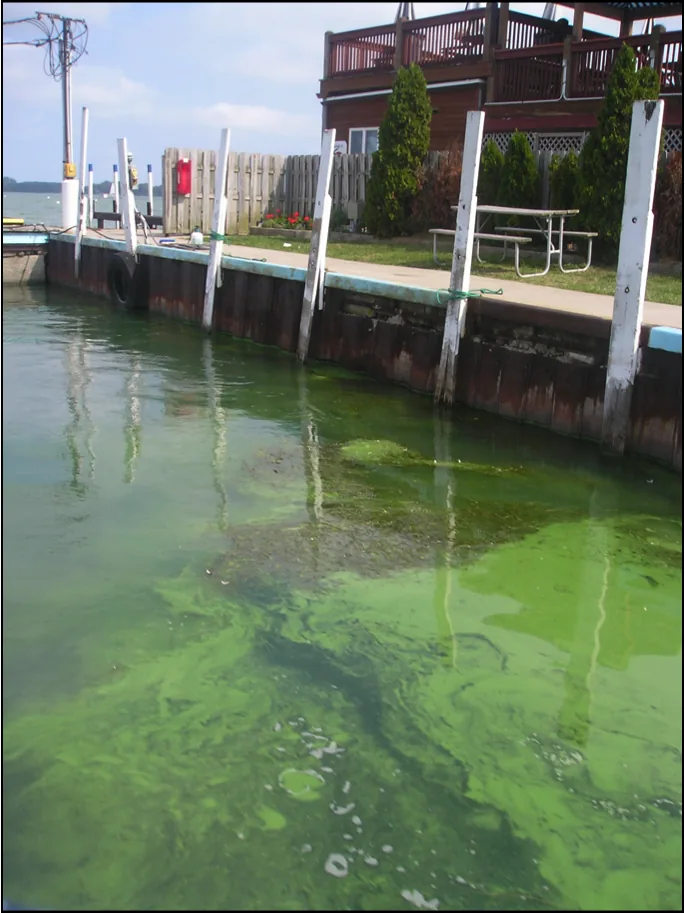
Water is infrastructure for entire regional economies. The consequences of nutrient pollution can ripple through far more than ecology.
More complex monitoring and treatment, operational risk, and public concern.
Advisories and visible blooms can reduce visitation, boating, swimming, and waterfront spending.
Low oxygen, toxins, and ecological change can affect aquatic communities and fishing economies.
Communities can face response costs, lost activity, and declining confidence in their most visible natural assets.
AAC is designed to turn a diffuse downstream problem into a controlled treatment process before discharge.
Water enters with a nutrient load. Algae incorporate part of that load into biomass. Harvest removes the biomass—and the captured nutrients—from the treatment system.
Aeroponic Algal Culture (AAC) is designed to cultivate and harvest attached algae before nutrients contribute to downstream harm.