POLISHING & RECOVERY
Municipal final effluent
AAC can provide a final biological stage for recovering additional nitrogen and phosphorus before discharge or reuse.
Aeroponic Algal Culture (AAC) is intended to be configured around the actual source stream—not imposed as one universal facility. Nutrient form, flow, contaminants, seasonality, economics, and the safe handling or use of harvested biomass all matter.
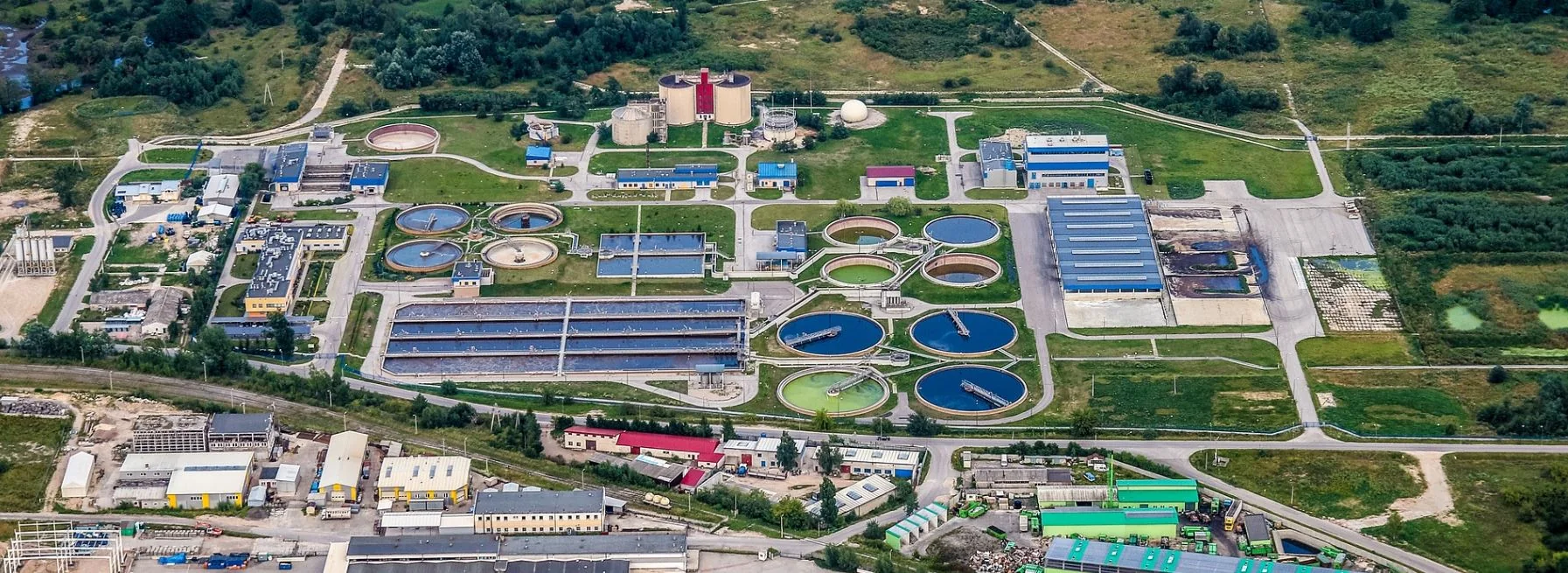
The platform can be adapted to distinct nutrient streams. Each application begins with the water chemistry, treatment objective, and operating context.
AAC can provide a final biological stage for recovering additional nitrogen and phosphorus before discharge or reuse.
Defined industrial streams can be evaluated for attached growth, nutrient recovery, process integration, and safe biomass handling.
Seasonal runoff and appropriately conditioned liquid streams from concentrated animal feeding operations can be captured, equalized, and evaluated for nutrient recovery.
Comparatively controlled food-processing streams can support nutrient recovery and potentially broader biomass pathways, depending on measured composition.
AAC can be evaluated as a nutrient-removal stage within a recirculating or flow-through treatment system while independent life-support systems protect animal health.
Digestion, dewatering, or process sidestreams can be conditioned and evaluated for productive uptake at higher local nutrient concentrations.
Any pathway depends on the source stream, measured composition, contaminants, processing, testing, regulation, and market acceptance. Treatment value does not depend on forcing every harvest into a premium market.
Potential composites, fillers, binders, carbonaceous products, construction inputs, or industrial intermediates where specifications can be met.
Potential digestion, thermal conversion, fuel, or heat-recovery pathways where moisture, lifecycle performance, and economics support them.
Potential recovery of nitrogen, phosphorus, or other constituents where source quality and approved regulatory pathways allow it.
Where beneficial use is not responsible or economical, the material can move through a safe, documented handling pathway while the water-treatment benefit is retained.
Metals, PFAS, pharmaceuticals, and other trace compounds may associate with or become concentrated in harvested biomass under some conditions. Whether and to what degree this occurs requires further testing for each water stream and operating condition.
That possibility creates both a treatment opportunity and a biomass-handling responsibility. Second Atmosphere will measure whether target compounds are retained, transformed, or passed through, then use those results to define safe processing, recovery, or disposal.
Share the flow, chemistry, operating context, treatment goals, and site constraints. Together, we can determine how AAC fits the site and what a meaningful evaluation should measure.